
Colombian food is a bold and flavorful expression of the country’s diverse heritage, blending Indigenous, Spanish, and Afro-Caribbean influences into one unforgettable cuisine. From the best Colombian street food to traditional dishes like arepas, bandeja paisa, and ajiaco, every region offers something unique and delicious. Whether you’re eating fried fish by the Caribbean coast or enjoying a fine dining experience in Bogotá, Colombian cuisine is a must-try for every foodie traveler.
In this guide, we’ll show you exactly what to eat in Colombia, from breakfast to dinner — plus snacks, desserts, and drinks you won’t find anywhere else. Discover the most popular Colombian foods, regional specialties, and essential meals that showcase the best of South America.
Get ready to learn what to eat in Colombia. Bookmark this guide and start planning your ultimate Colombian food trip with TourHero — your first step toward a delicious adventure! 🇨🇴🎉
Breakfast
Colombians never fail to start their day with a warm, satisfying breakfast that’s as comforting as culturally rich. A traditional Colombian breakfast varies by region, shaped by local ingredients, climate, and customs, but it almost always brings together a mix of savory, hearty, and occasionally sweet elements. Colombian breakfasts reflect the heart and soul of each region: always nourishing, always full of flavor.
Arepas
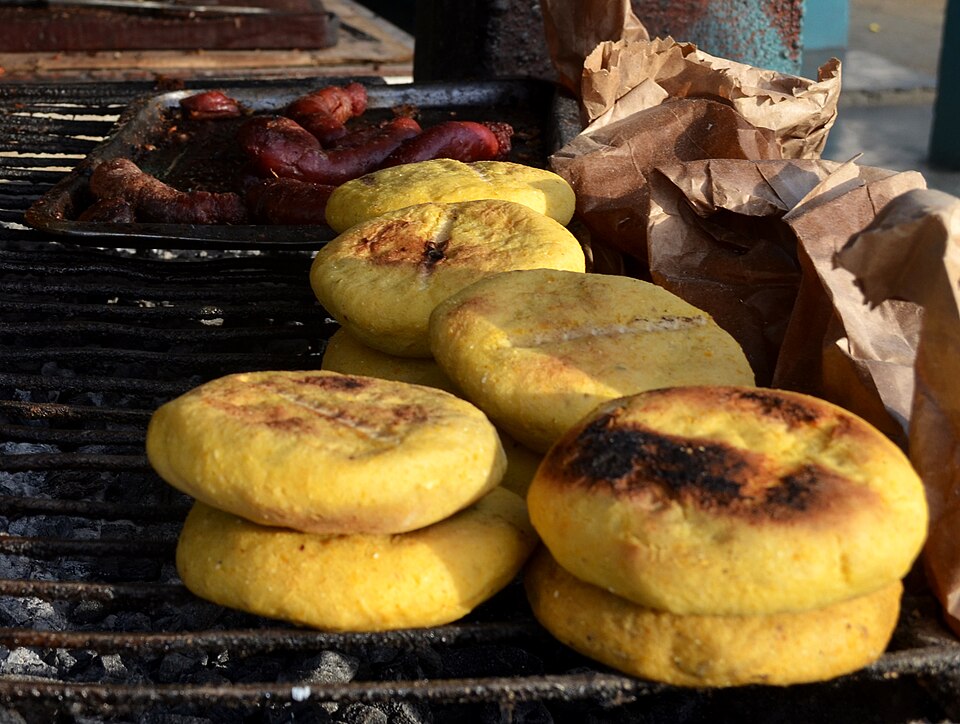
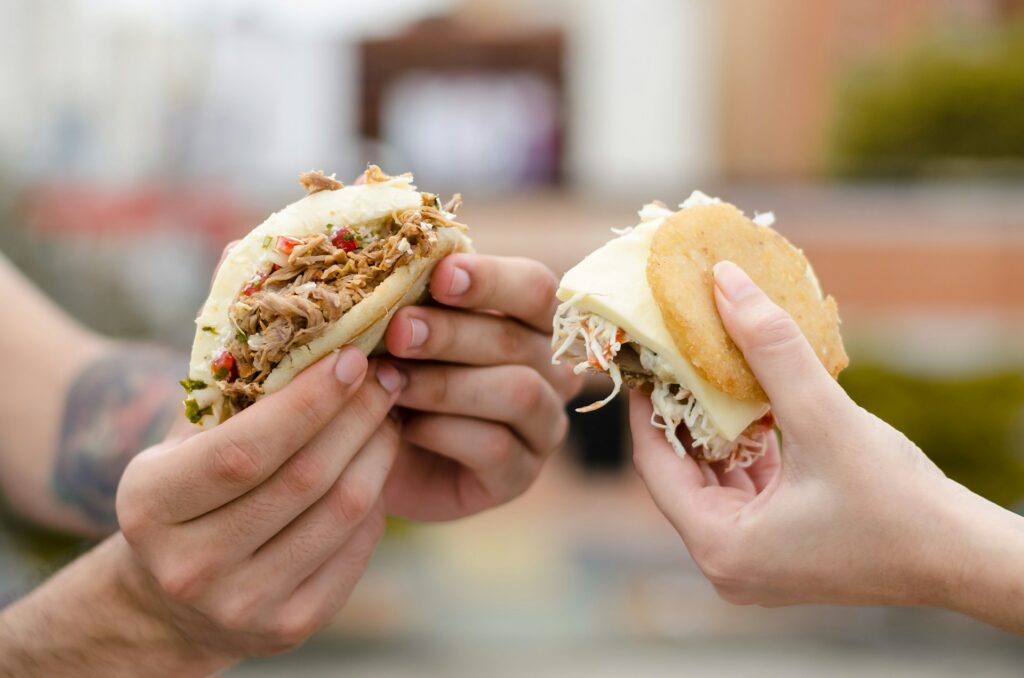
Arepas are one of the most iconic and versatile Colombian foods. With roots in Indigenous culture, they’ve evolved through Spanish and Afro-Caribbean influences to become a national staple. Made from cornmeal and enjoyed across all regions, arepas can be grilled, fried, or stuffed — served plain with butter or packed with cheese, eggs, or meat. Whether eaten for breakfast or dinner, they’re a delicious symbol of Colombia’s culinary diversity.
🇲🇽 Variations: Arepas vary from region to region. Some of the most popular are arepa boyacense, which are stuffed with cuajada cheese; arepa santandereana, made with grated yuca (cassava), and diced chicharrón (crispy pork belly); and the classic stuffed arepa, with fillings like mozzarella cheese, pork, eggs, and hogao (tomato, onions, and garlic sauce).
🍽️ Fun fact: Colombians and Venezuelans both proudly claim the arepa as their own; who could blame them? With its ancient roots, this beloved culinary creation is a shared treasure across both countries. One thing’s for sure: no matter where it started, everyone agrees arepas are 100% delicious!
Changua
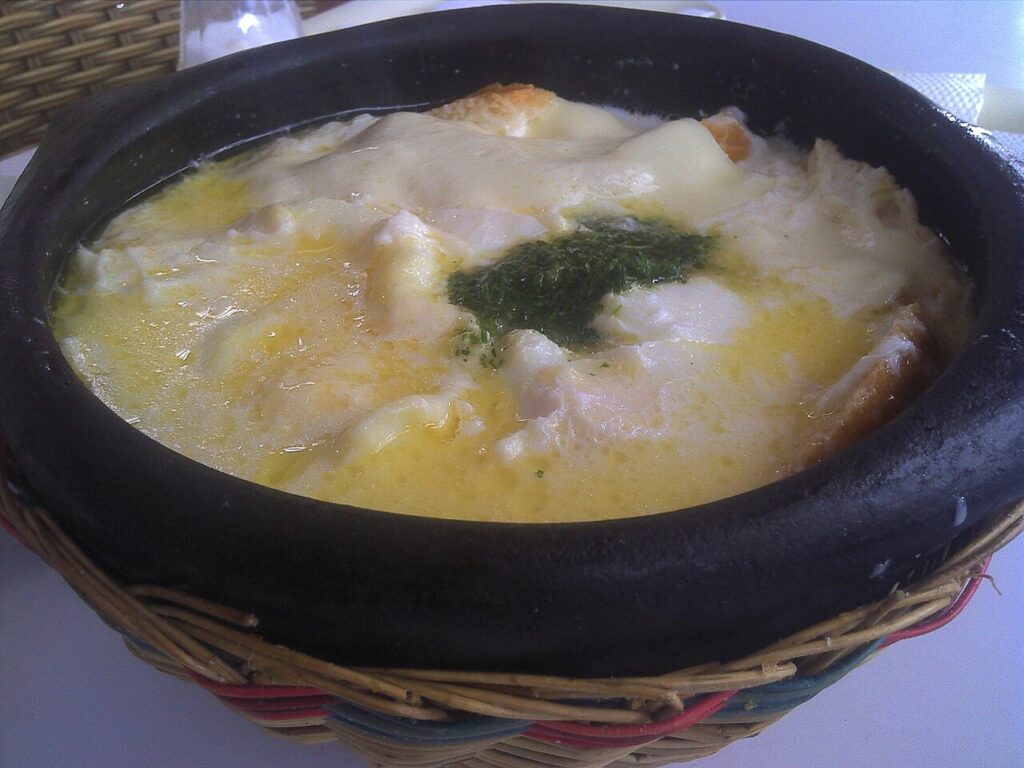
Changua is a traditional Colombian breakfast soup that hails from the Andean region and is especially popular in Boyacá, Cundinamarca, and Bogotá. Made with a warm milk-based broth, poached eggs, green onions, cilantro, and chunks of stale bread, this comforting dish is a beloved morning staple — especially on cold, misty highland mornings. Changua is a perfect example of how Colombians transform simple, humble ingredients into something deeply nourishing and full of flavor.
🇲🇽 Variations: Many modern variations of changua include slices of cheese, halloumi, or mozzarella melted into the soup. Some places even have vegan alternatives made with soy milk!
🍽️ Fun fact: Changua has a reputation as a classic Colombian hangover remedy. If you plan on partying during your trip, now you know which Colombian food to enjoy for breakfast the next morning!
Tamales
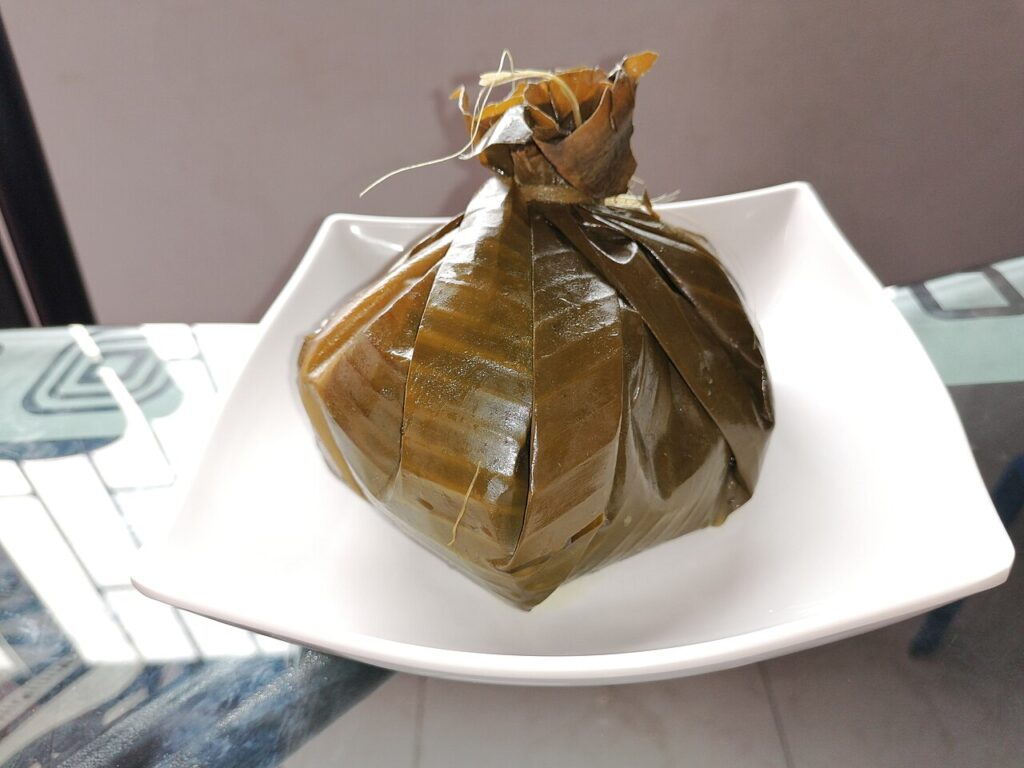
Tamales are a staple in Colombian cuisine and vary in ingredients and preparation methods across different regions. It’s a savory, steamed dish wrapped in plantain leaves — which imparts a unique flavor and helps during the steaming process — featuring a corn-based dough filled with a variety of meats, vegetables, and spices. In Colombia, tamales are the go-to breakfast on a Sunday morning.
🇲🇽 Variations: Some of the most unique Colombian tamales include Tamal de Pipián from Cauca, made with potato, peanuts, and often chorizo or pork; Tamal de Piangua from the Pacific coast, made with plantain dough and clams; and the spicy Tolimense Tamal from Espinal and Purificación, a chili-infused take on the classic Tolimense recipe.
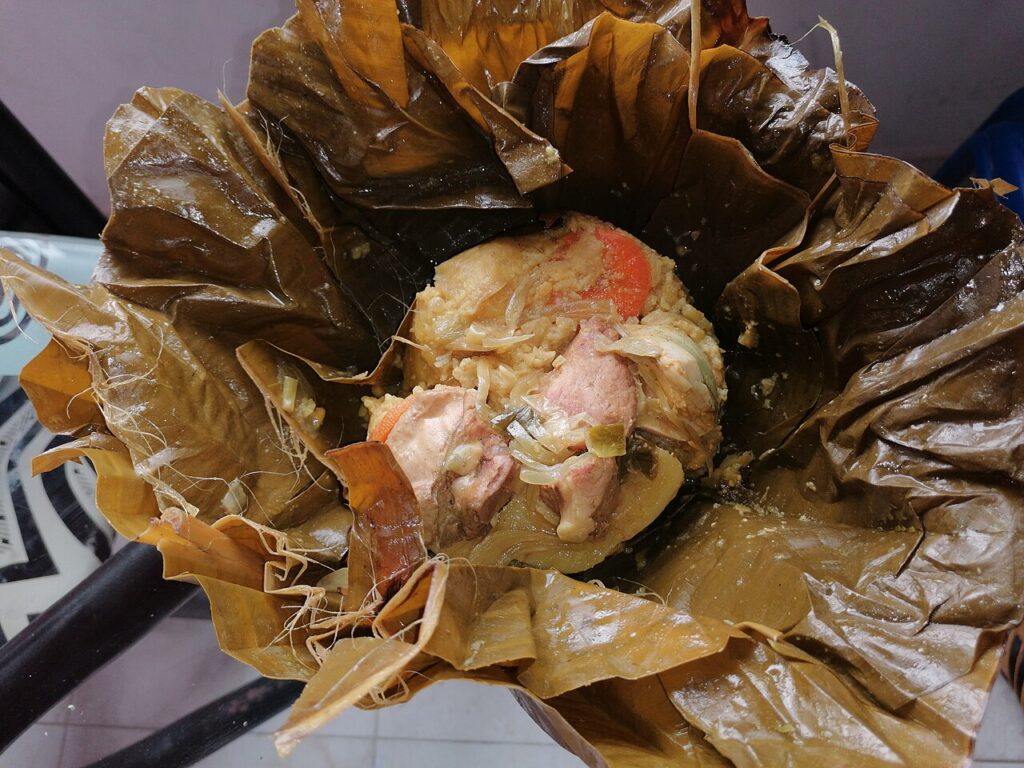
🍽️ Fun fact: In December, cities like Bogotá host the Festival del Tamal, where tons of restaurants and market stalls serve a wide array of regional tamales. These events celebrate tamales as both a cultural icon and a culinary art.
Lunch
For Colombians, lunch is the most important and largest meal of the day. Many people go for a corrientazo — a satisfying “almuerzo corriente” popular in local restaurants — though typical lunches usually include three courses: a warm soup to begin, a main dish (with rice, beans, protein like chicken, beef, or pork plus sides), and something sweet or light for dessert. Almost every lunch is rounded out with a glass of fresh fruit juice, completing the meal and embracing the rich flavors of everyday Colombian cuisine.
Ajiaco
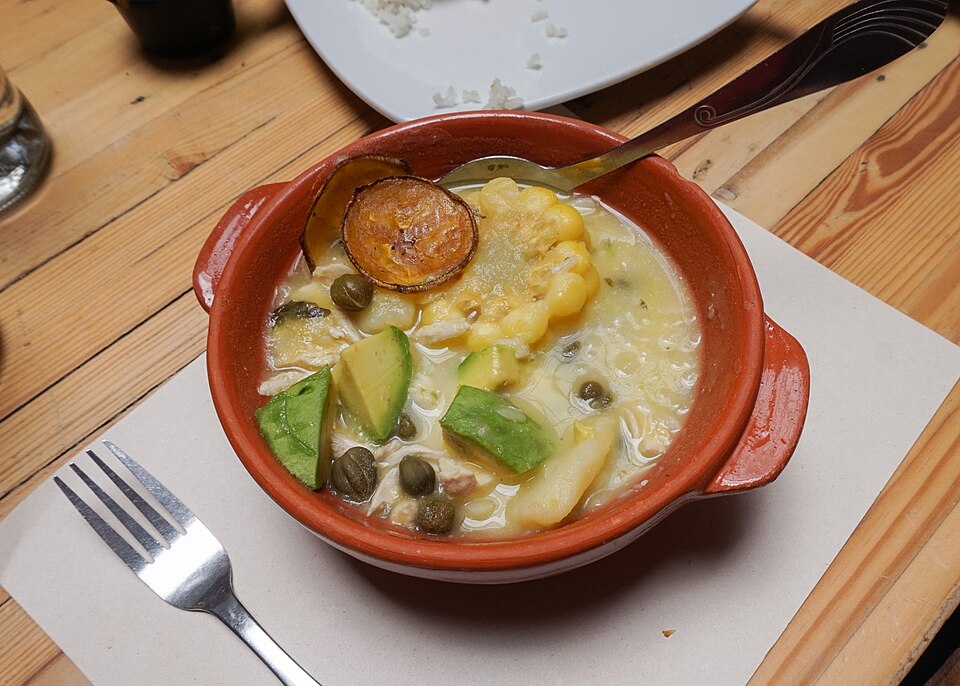
Ajiaco is one of Colombia’s most iconic soups, and it is especially beloved in Bogotá and the Andean highlands. Made with three types of potatoes (criolla, sabanera, pastusa), tender chicken, corn on the cob, and the unique herbal flavor of guascas, this hearty potato-chicken soup is rich, comforting, and deeply rooted in Colombian tradition. It’s usually served with toppings like avocado, capers, and a swirl of cream. Whether you eat this in a small local restaurant downtown or at a high-end place in the north of Bogotá, there’s no denying this dish captures the essence of Colombian culinary culture, perfect for cold afternoons or as a fulfilling almuerzo.
🇲🇽 Variations: Some of the most notable ajiaco variations include versions that add ají, the classic Colombian salsa that gives the soup an extra kick; the hearty Ajiaco Boyacense, a thicker style made with more vegetables; and coastal interpretations that include a touch of coconut milk for sweetness. You’ll also find modern, lighter twists where the chicken is replaced with mushrooms, vegetables, or plant-based proteins, offering a vegetarian-friendly take on this traditional Colombian soup.
🍽️ Fun fact: The classic ajiaco recipe has roots in the indigenous Muisca cuisine, making ajiaco a cultural symbol of central Colombia.
Bandeja paisa
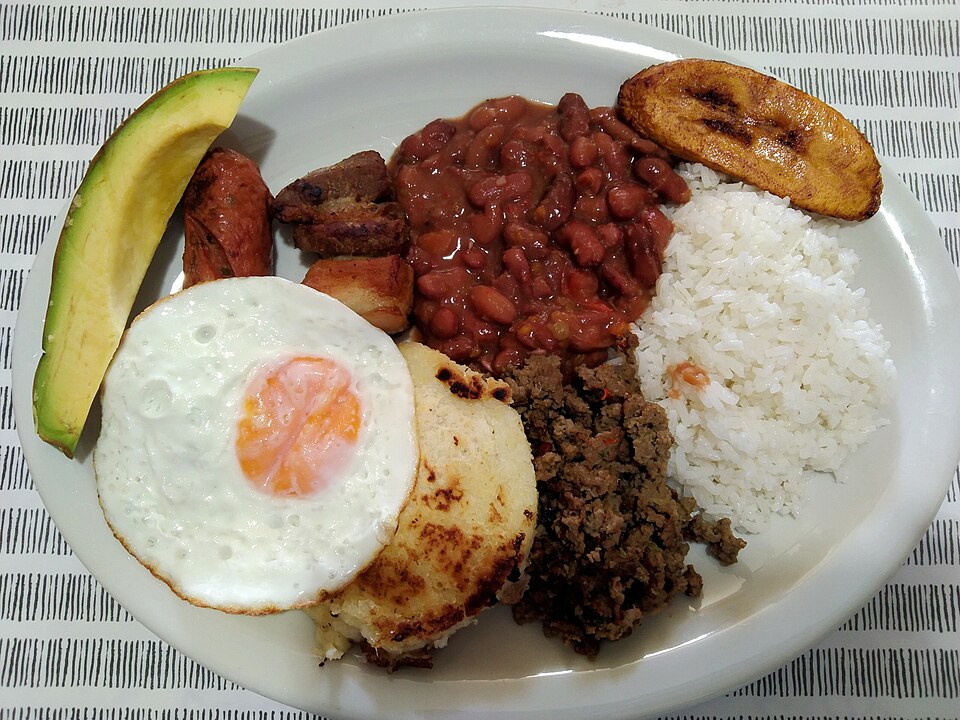
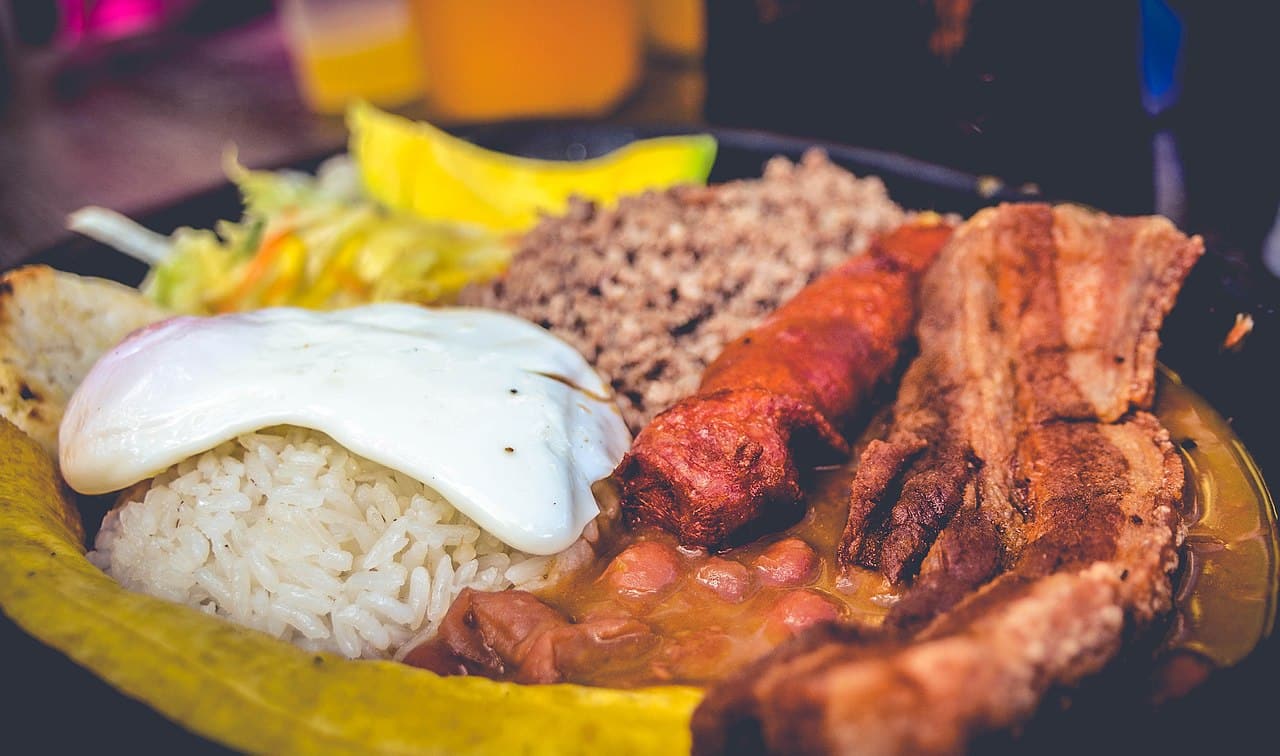
Bandeja paisa is one of Colombia’s most iconic dishes. It is especially beloved in Antioquia and the Coffee Region. This hearty platter includes carne molida, crispy chicharrón, rice, red beans, and fried plantain. It also features avocado, an arepa, a fried egg, and a spoonful of hogao. Together, these ingredients create a flavorful snapshot of paisa culinary tradition. Additionally, the dish is known for its abundance and bold flavors. It reflects Colombia’s love for hearty, home-style cooking and great regional pride. Whether you try it in a fonda in Medellín or in a mountain restaurant, bandeja paisa offers an authentic taste of paisa culture.
🇲🇽 Variations: Some of the most unique bandeja paisa variations come from different regions of Colombia. For example, the hearty bandeja montañera from rural Antioquia includes pork cuts like morcilla and longaniza. Meanwhile, the lighter bandejita paisa offers a smaller plate with beans, rice, plantain, and egg. In addition, the modern vegetarian bandeja replaces chicharrón and beef with plant-based proteins and grilled vegetables. Finally, many restaurants serve a gourmet bandeja, a refined and contemporary version found in high-end Colombian eateries.
🍽️ Fun fact: Bandeja paisa was created as a high-energy meal for farmers in the Antioquia region, which explains its famously generous portions. The dish is so iconic that it’s often called Colombia’s unofficial national dish.
Fried fish with patacones
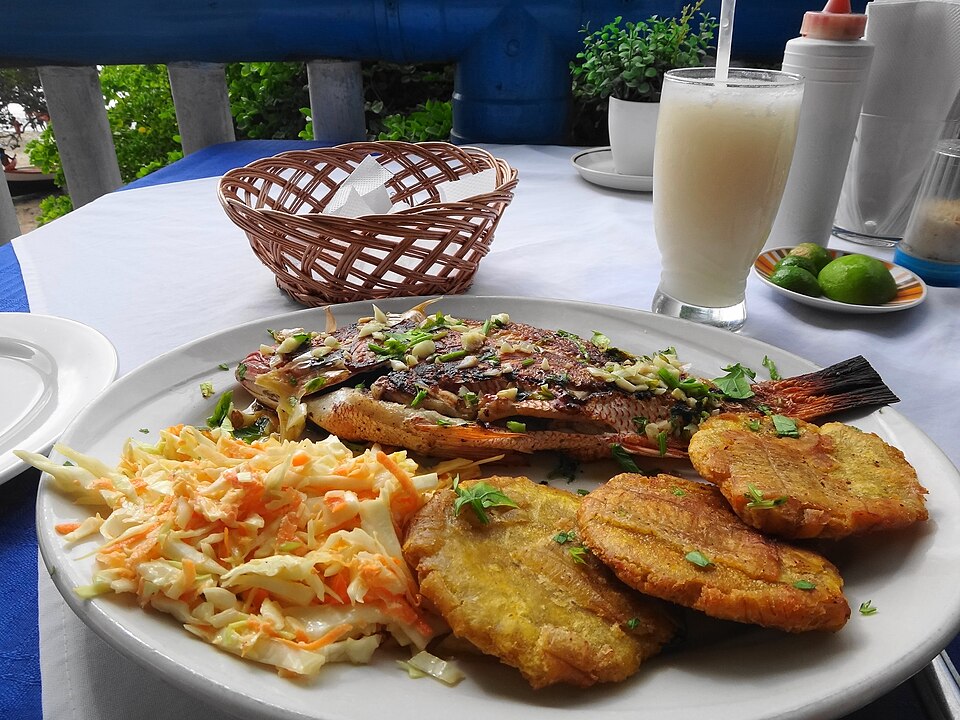
Fried fish with patacones brings together some of the most beloved coastal flavors in Colombia. The dish delivers crispy, well-seasoned fish with golden, freshly smashed patacones. It also offers bright sides like lime, coconut rice, or a simple salad, which balance the richness perfectly. And whether you enjoy it at a beachside kiosk or in a small local restaurant, fried fish with patacones gives you a fresh, flavorful taste of Colombia’s Caribbean coast.
🇲🇽 Variations: You can find many variations of fried fish with patacones along Colombia’s coasts. For example, some regions serve red snapper or mojarra with coconut rice. Other areas pair the dish with suero costeño or ají. And in a few coastal towns, cooks prepare the fish with garlic or coconut seasoning to deepen the flavor.
🍽️ Fun fact: Many beach vendors fry the fish to order, so you often choose your fish right from the cooler! This tradition keeps the dish incredibly fresh and adds to the whole coastal experience.
Dinner
For Colombians, dinner tends to feel lighter and more flexible than lunch, and people often use it as a time to unwind after the day. Many families gather around the table for a simple, comforting meal that doesn’t follow a strict structure. Some prefer something quick and easy at home, while others enjoy heading out for a casual bite with friends. Dinner also creates space for conversation, relaxation, and connection, whether it happens early in the evening or a bit later at night.
Picada
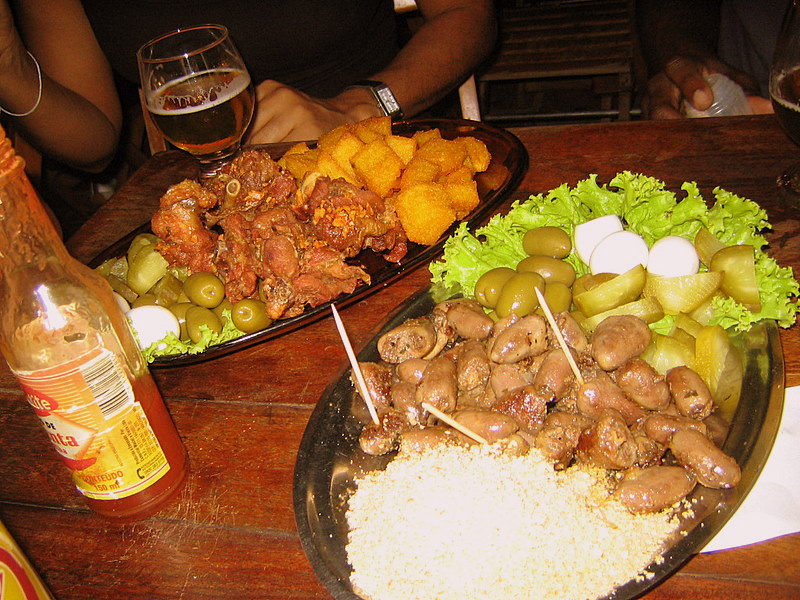
Picada brings people together around a generous mix of Colombian flavors, creating a social, shareable meal that feels perfect for gatherings. Friends and family often enjoy it during casual evenings, weekend meetups, or celebrations, since everyone can pick at their favorite bites while talking and relaxing. The experience centers on connection, conversation, and enjoying food in a fun, communal way. Picada sets the tone for an easygoing night, where good company matters just as much as the food.
🇲🇽 Variations: You can find many variations of picada across Colombia. Some regions build larger platters for big groups, adding more sides and sauces to share. Other areas create smaller, snack-style versions for quick bites with friends. Some places focus on traditional flavors, while others add modern twists with creative seasonings or updated preparations. Each version keeps the same idea: a mix of foods meant to bring people together.
🍽️ Fun fact: Picada is one of Colombia’s most reliable crowd-pleasers: It settles the usual “what should we get?” debate, since picada offers something for every taste!
Calentado
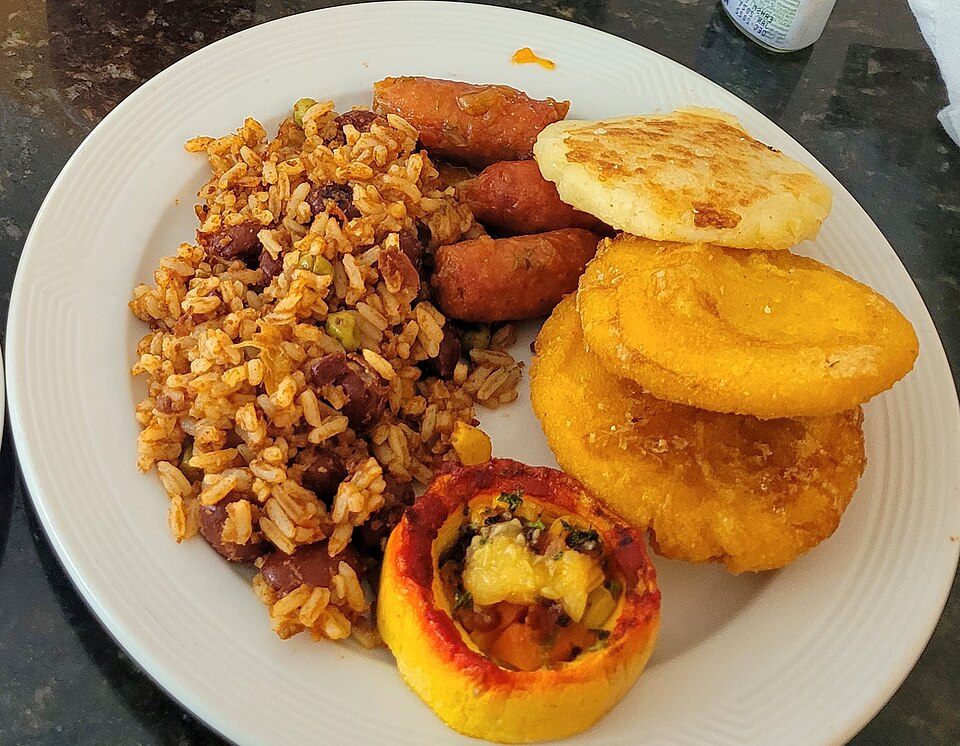
Calentado also plays a big role at dinnertime in many Colombian homes. People often enjoy it when they want something warm, filling, and easy to prepare after a long day. The dish brings together the flavors from earlier meals and turns them into a cozy evening plate that feels familiar and satisfying. Many families choose calentado for dinner because it saves time, reduces waste, and still delivers the comforting taste of home.
🇲🇽 Variations: You can find many dinner variations of calentado across Colombia. Some families mix in more rice, beans, or lentils to create a fuller evening plate. Others add ingredients like plantain, arepa pieces, or leftover meats to bring extra flavor and texture. Some people keep it simple with just rice and beans, while others combine whatever remains from lunch to build a richer meal.
🍽️ Fun fact: Families often say calentado “saves the evening” because it brings everyone to the table with almost no effort.
Modern Colombian cuisine
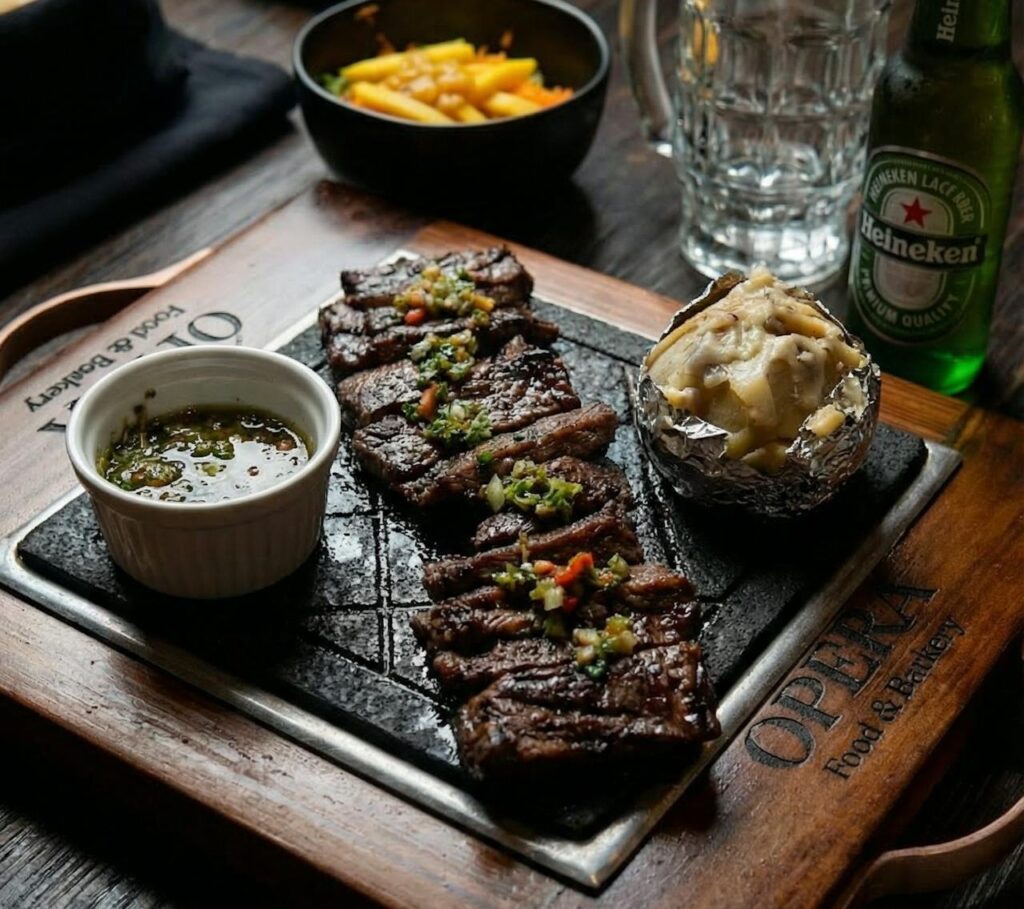
Modern Colombian cuisine brings traditional flavors into a refined, creative space. Chefs across the country highlight local ingredients and reinterpret classic dishes with new techniques and thoughtful presentation. They also draw inspiration from Colombia’s diverse regions, transforming familiar flavors into elegant, memorable plates. Many restaurants focus on seasonality, sustainability, and storytelling, which gives each dish a deeper cultural connection. And whether chefs explore Amazonian ingredients, Andean staples, or coastal influences, modern Colombian fine dining celebrates the country’s identity in a fresh, innovative way.
🇲🇽 Variations: You can explore modern Colombian fine dining in many styles across the country. Bogotá leads with creative tasting menus that spotlight Andean ingredients. Medellín offers a youthful, experimental approach with bold flavor combinations. Cartagena focuses on coastal sophistication, using Caribbean seafood in refined dishes. Other regions add their own touch with Amazonian fruits, Pacific herbs, or Coffee Region staples. Each destination shapes modern Colombian cuisine with its own ingredients and identity.
🍽️ Fun fact: Some of Colombia’s most acclaimed restaurants guide guests through multi-course journeys that showcase ingredients from every corner of the country!
Drinks and treats
Colombian drinks and treats bring color and comfort to everyday life. People enjoy them throughout the day, whether they want something refreshing, energizing, or soothing. These small moments often create a pause in a busy schedule and give everyone a chance to relax. Families also share them during gatherings, which adds warmth and connection to the occasion. And no matter the time or place, Colombian drinks and treats offer a simple, joyful way to enjoy familiar flavors and unwind.
Aguapanela
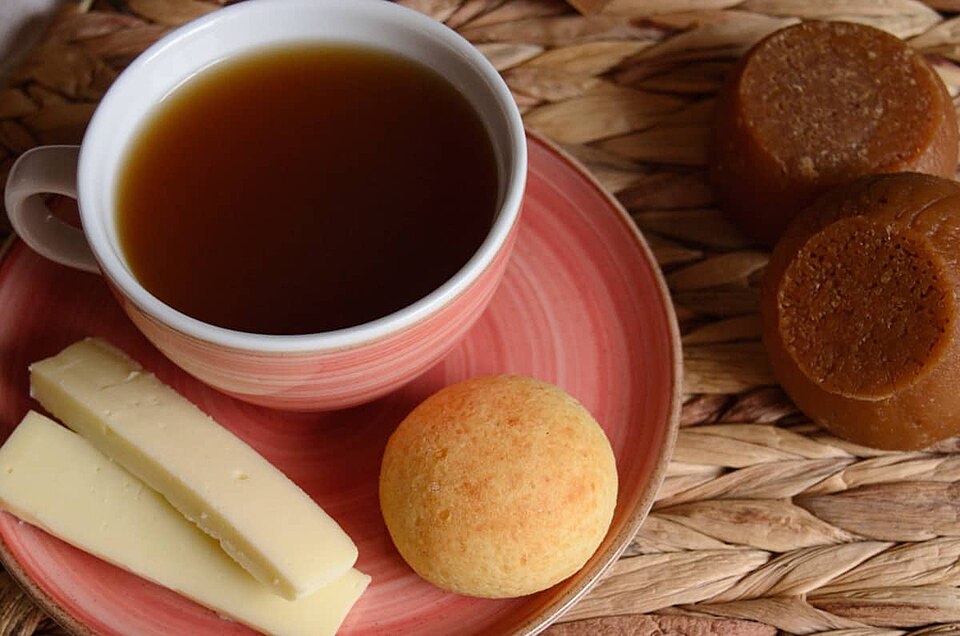
Aguapanela is a Colombian traditional drink made by dissolving unrefined sugar cane blocks in hot or cold water. The drink carries a deep, caramel-like flavor that feels warm and familiar to many Colombians. Families prepare it throughout the day, especially when they want something simple, soothing, and naturally sweet. Aguapanela also brings a sense of nostalgia, since many people grow up drinking it at home. And whether you enjoy it in the morning or at night, it always adds comfort and a touch of everyday Colombian tradition.
🇲🇽 Variations: Aguapanela comes in several beloved Colombian variations. Some people brighten it with a squeeze of lime, while others make it creamy by preparing it with milk instead of water. A classic twist is aguapanela con queso, where a piece of fresh cheese is dropped into the hot drink so it softens and can be eaten at the end. It can also be served ice-cold on hot days, infused with spices like cinnamon for warmth, or made extra strong as a natural energy boost.
🍽️ Fun fact: Parents often prepare it with lime or ginger at the first sign of a cold, treating it as a soothing, homemade remedy.
Pandebono
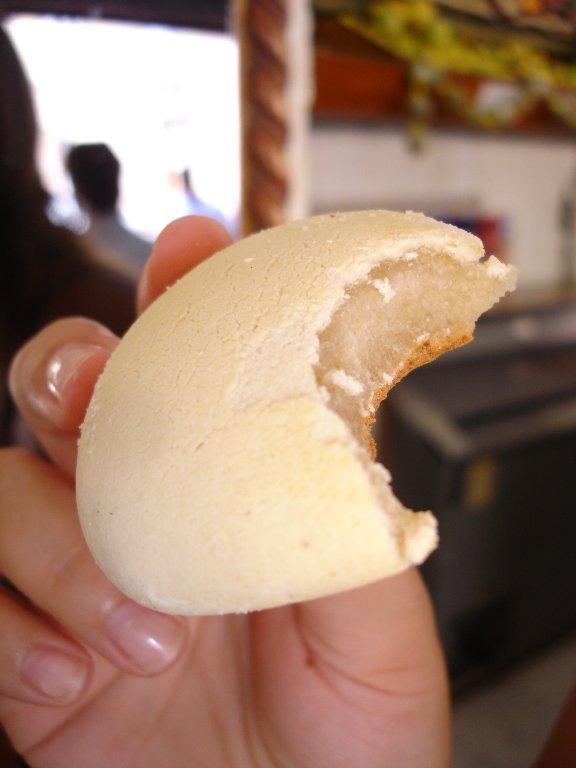
Pandebono is one of Colombia’s most beloved baked treats, especially popular in the Valle del Cauca region. This warm, chewy cheese bread comes from a simple mix of cassava flour, cheese, and a touch of cornmeal, creating its signature soft texture and lightly savory flavor. People usually enjoy it fresh out of the oven, when it’s still warm and fragrant, often alongside a morning or afternoon drink. Its comforting taste and airy interior make pandebono a staple in bakeries across the country and a go-to snack for Colombians everywhere.
🇲🇽 Variations: Some bakers add extra cheese for a richer flavor, while others mix in eggs or a bit of sugar to sweeten the bread. Certain regions make small snack-sized versions, and others bake larger rolls for sharing. Modern twists even include fillings like guava or chocolate. Every version keeps the soft, chewy texture that defines pandebono.
🍽️ Fun fact: Pandebono gained international fame when Taste Atlas ranked it the “#1 bread roll in the world,” awarding it 4.6 out of 5 stars for its unique texture and flavor.
Chicha
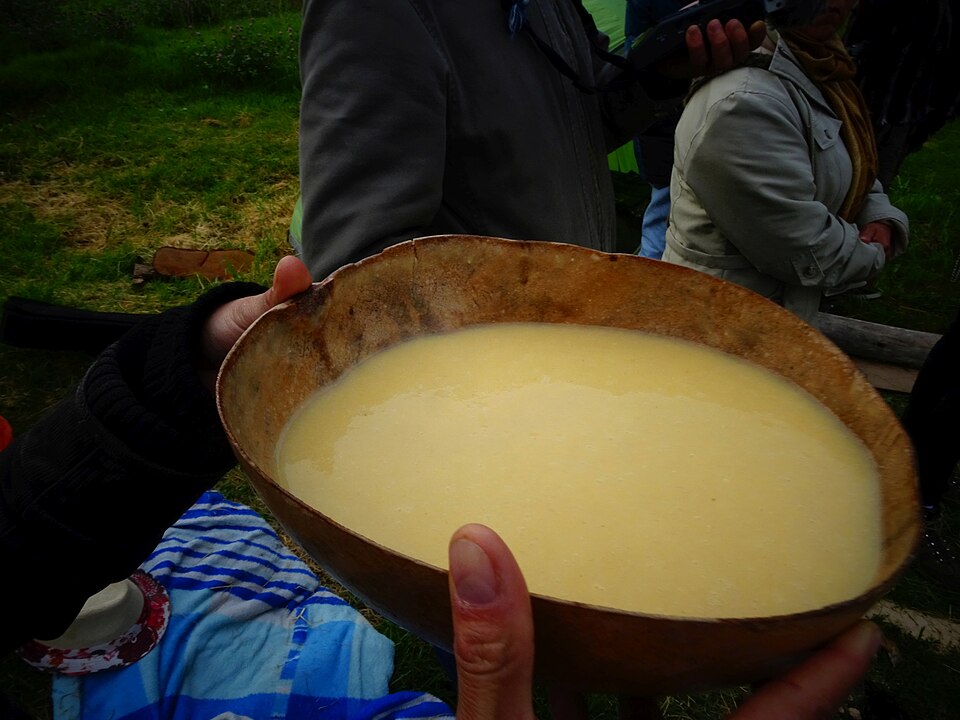
Chicha is a traditional fermented drink that has been part of Colombian culture for centuries. People make it from corn or other local grains, which gives it a slightly tangy, mildly sweet flavor. Families and communities often prepare it for festivals, gatherings, or celebrations. Chicha has a long history as a social drink, connecting people across generations and regions. And whether you taste it at a local festival or in a small village, it offers a unique window into Colombia’s culinary and cultural heritage.
Chicha was banned in Colombia in 1949, yet production never truly stopped — it continued quietly underground, and today the drink is still openly sold in certain regions.
🇲🇽 Variations: In the Andean highlands, people ferment corn with panela and sometimes add spices like cinnamon or cloves for warmth and aroma. On the Pacific coast, some families mix corn with rice or sugarcane juice to create a sweeter, lighter drink. Certain Indigenous communities add fruits such as nance or pineapple during fermentation to give it a tangy, fruity flavor.
🍽️ Fun fact: In some Colombian towns, people sing and play games while brewing it.
We hope that you’ve enjoyed this Colombian culinary adventure! Is Colombia on your travel bucket list? Check out our two-minute guide “Why travel to Colombia”? to discover the country’s best highlights!
About TourHero
TourHero is a social travel platform that enables you to travel with like-minded people and fall in love with the journey. We work closely with handpicked local operators to ensure every experience curated is unique and exclusive to your travel group. Come with us on epic adventures and create memories that last a lifetime. Get started here!